Luwe Premium Organic Turmeric powder- Manjal podi, also known as haldi, is a golden-orange spice made from the dried, ground rhizome (root) of the Curcuma longa plant, a relative of ginger. It has a warm, earthy flavor and is a staple in many South Asian cuisines. The primary active compound in turmeric is curcumin, which is responsible for many of its health-promoting properties. Manjal podi is the Tamil and Malayalam name for turmeric powder, a golden-yellow spice made from the dried and ground root of the turmeric plant. It is used in Asian cuisines, especially in curries, for its warm, earthy flavor and coloring properties. The active compound, curcumin, gives turmeric its vibrant color and is studied for its anti-inflammatory and antioxidant properties, making it valuable in traditional medicine and skincare
HEALTH BENEFITS
Curcumin gives turmeric its powerful antioxidant and anti-inflammatory properties. Research suggests that incorporating turmeric into your diet may offer several health benefits:
- Boosts immunity: With its antimicrobial properties, turmeric can help your body fight off infections.
- Aids digestion: Turmeric can help improve digestion and alleviate gastrointestinal discomfort.
- Reduces inflammation: It can help manage inflammatory conditions like arthritis, joint disorders, and colitis.
- Supports brain health: Curcumin has been shown to improve cognitive function and may help reduce the risk of neurodegenerative diseases.
- Protects heart health: It may help lower cholesterol levels and blood pressure.
- Improves skin health: Turmeric's anti-inflammatory and antibacterial properties make it effective against acne and other skin conditions. It can also help brighten skin and improve its elasticity.
- Fights free-radical damage: As a potent antioxidant, it helps protect the body from unstable molecules that cause cellular damage.
HOW TO USE TURMERIC POWDER
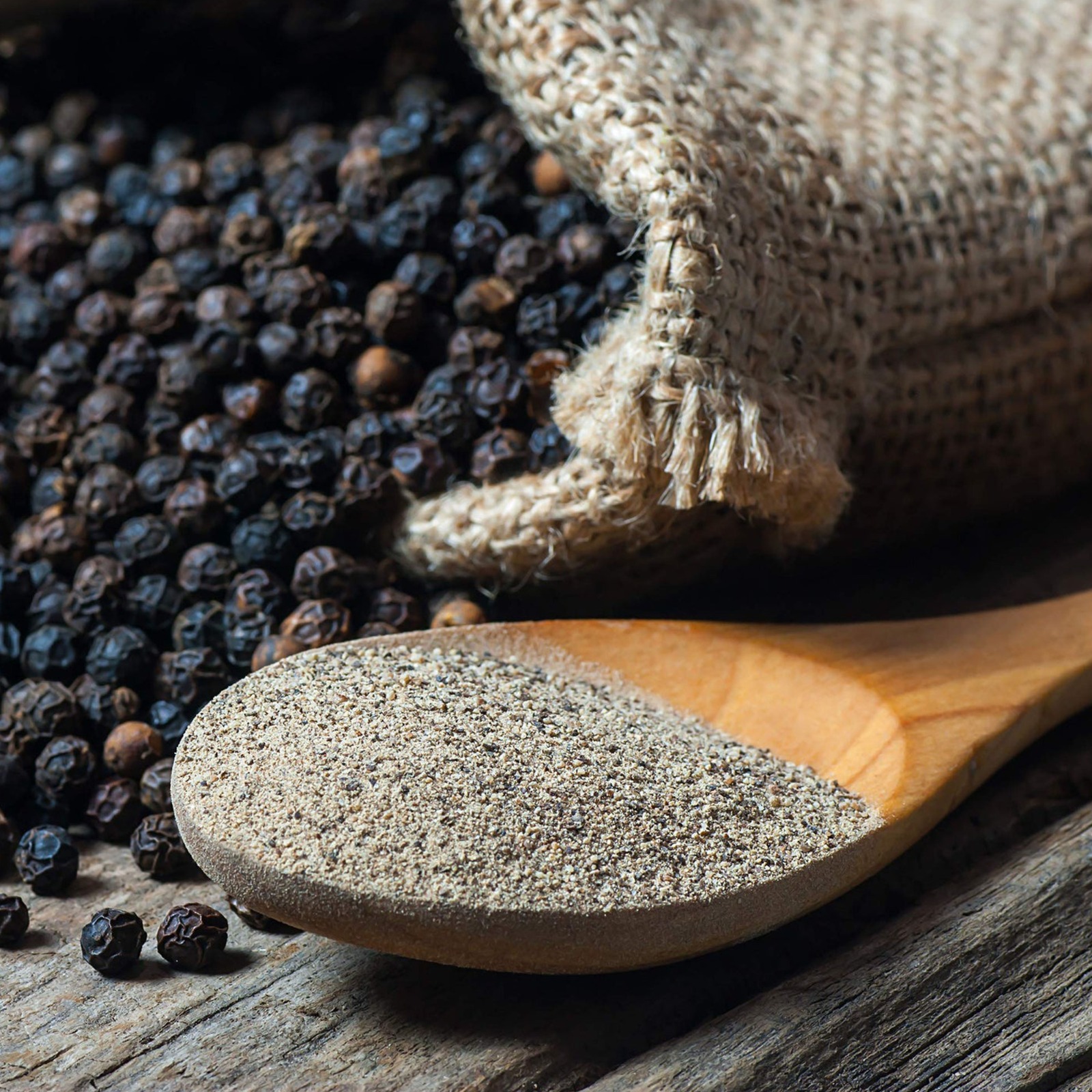
Since curcumin is not easily absorbed by the body, adding black pepper (which contains piperine) is highly recommended. Piperine significantly increases curcumin absorption. You can enjoy turmeric in many ways:
- Golden milk: Create a soothing beverage by boiling milk (or a milk alternative) with turmeric, ginger, and a pinch of black pepper.
- Add to meals: Sprinkle it into curries, soups, stews, rice, or roasted vegetables for color and flavor.
- Smoothies: Blend a teaspoon of turmeric into your favorite fruit or vegetable smoothie.
- Face mask: For a skin treatment, mix turmeric powder with a base like honey, aloe vera gel, or yogurt to reduce acne and brighten skin.
POTENTIAL SIDE EFFECTS AND WARNINGS
While generally safe in food amounts, high doses of turmeric, especially in supplements, can cause side effects and may be unsuitable for certain individuals.
- Gastrointestinal issues: Large doses can lead to upset stomach, nausea, or diarrhea.
- Increased bleeding risk: Turmeric can slow blood clotting. Individuals with bleeding disorders or those on blood-thinning medication should consult a doctor before taking supplements.
- Gallbladder problems: It can worsen gallbladder issues. Avoid it if you have gallstones or a bile duct obstruction.
- Iron absorption: High doses may interfere with iron absorption. Consult your doctor if you have an iron deficiency.
- Pregnancy: Pregnant women should avoid medicinal amounts of turmeric as it may stimulate uterine contractions.
- Drug interactions: Turmeric can interact with various medications, including blood thinners, antidiabetics, and chemotherapy drugs.
- Kidney stones: Turmeric naturally contains oxalate, which, at high levels, can increase the risk of kidney stone formation in susceptible individuals.
Turmeric powder is also known as haldi (in Hindi), manjal (in Tamil), jiang huang, Indian saffron, and scientifically as Curcuma longa. It is also sometimes called yellow root in various languages and Curcumae Longae Rhizoma.
HERE IS A LIST OF ITS OTHER NAMES:
- Hindi: Haldi
- Tamil: Manjal
- Chinese: Jiang huang
- Latin: Terra merita (meritorious earth), derived from the word Curcuma
- Scientific: Curcuma longa
- Other: Indian saffron, yellow root, Curcumae Longae Rhizoma