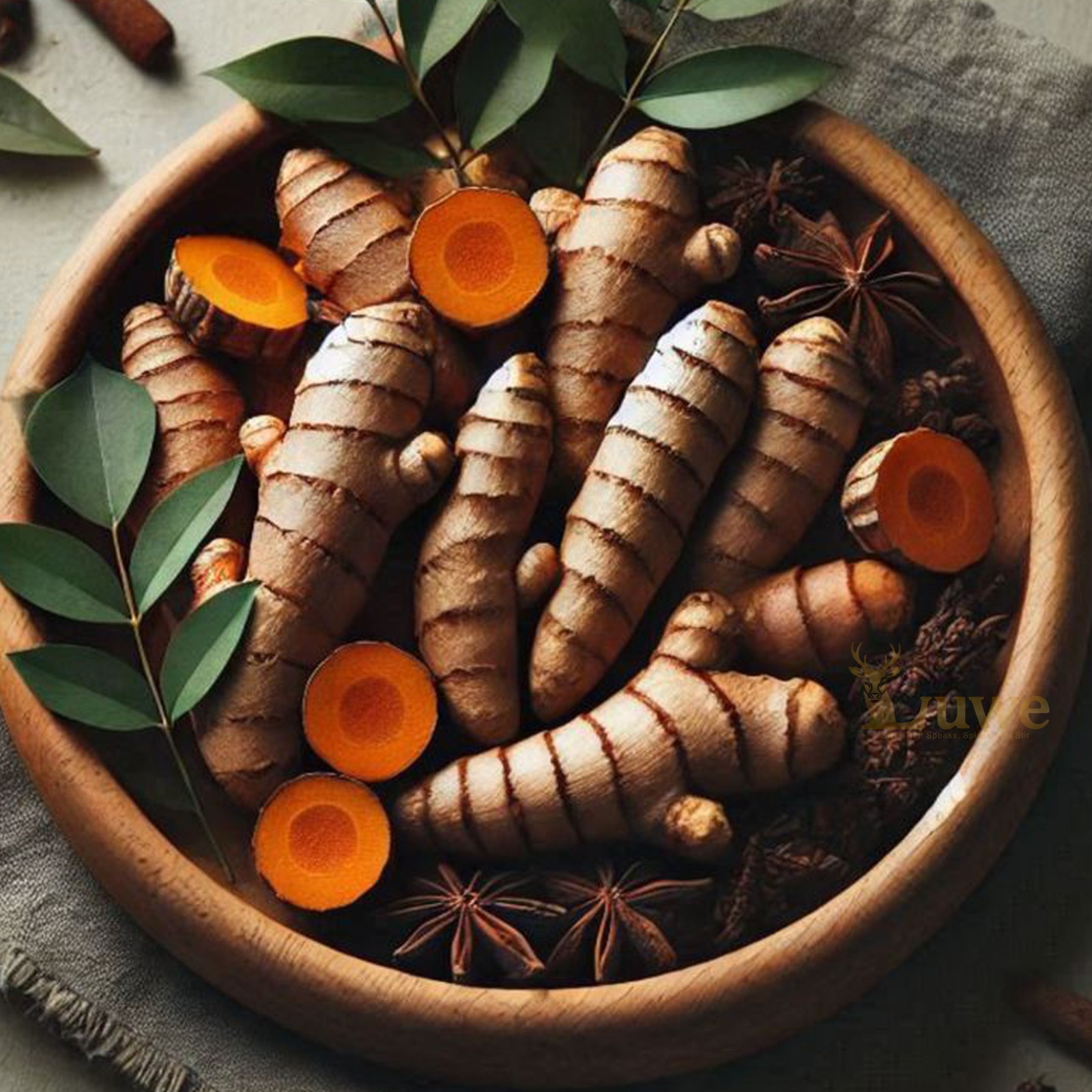
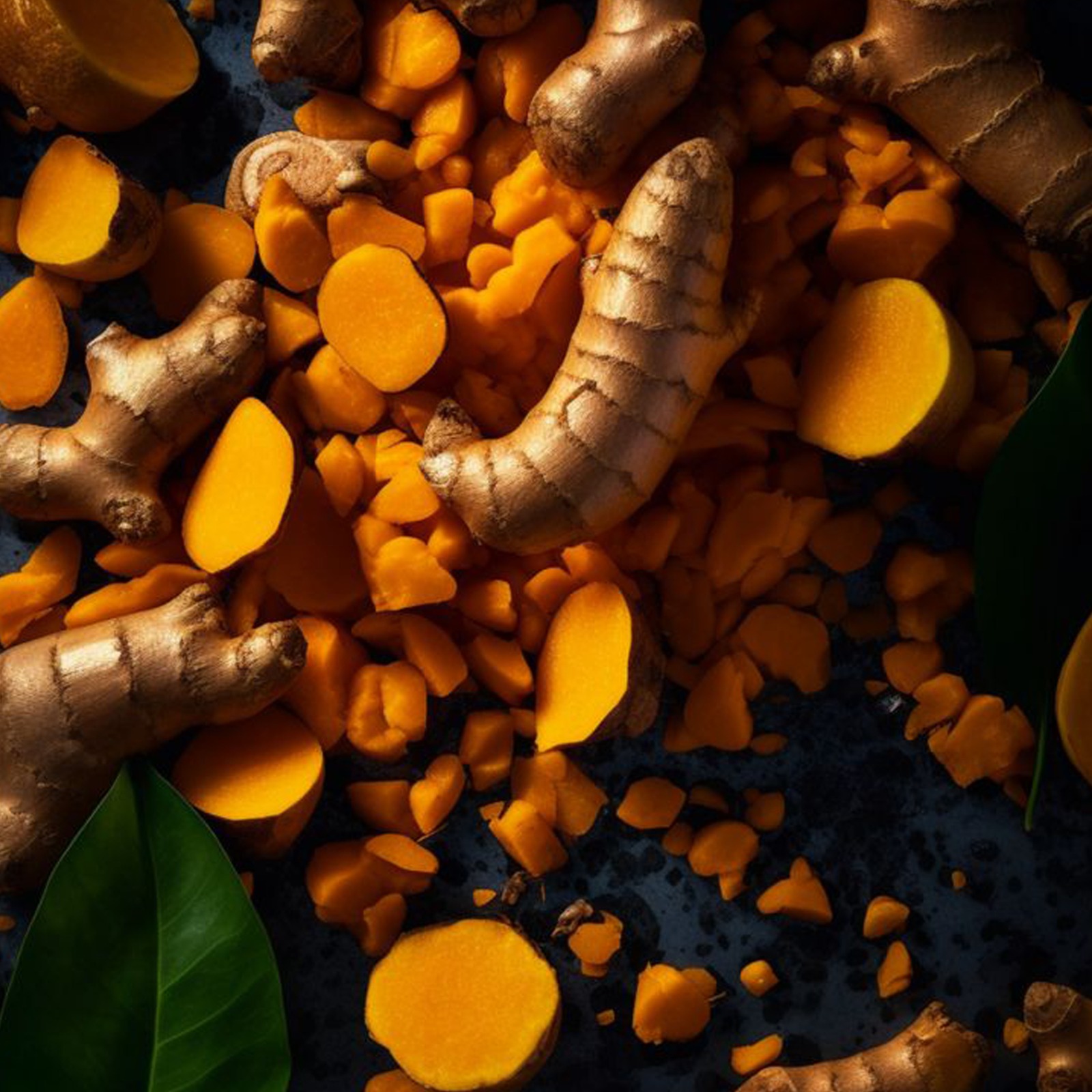
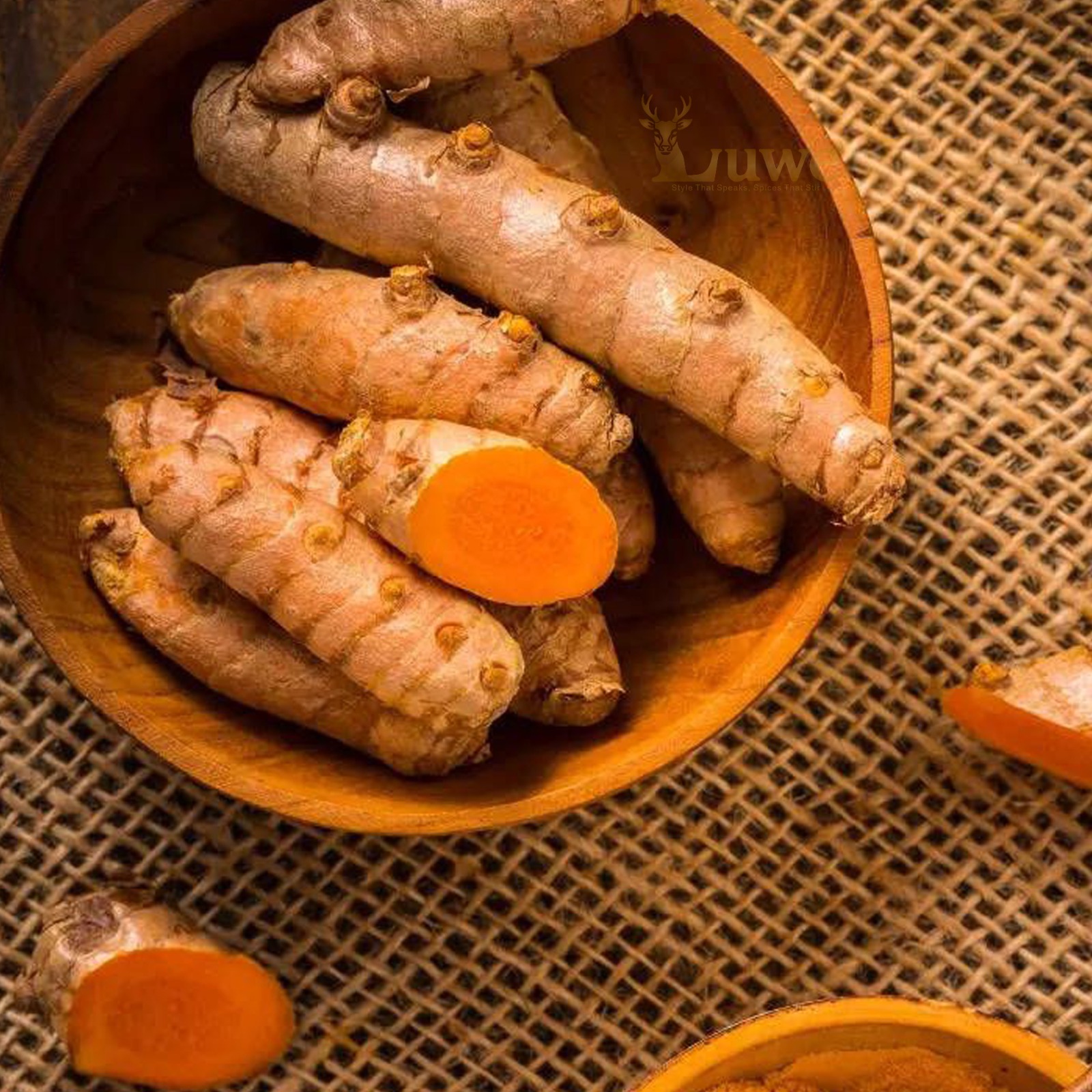
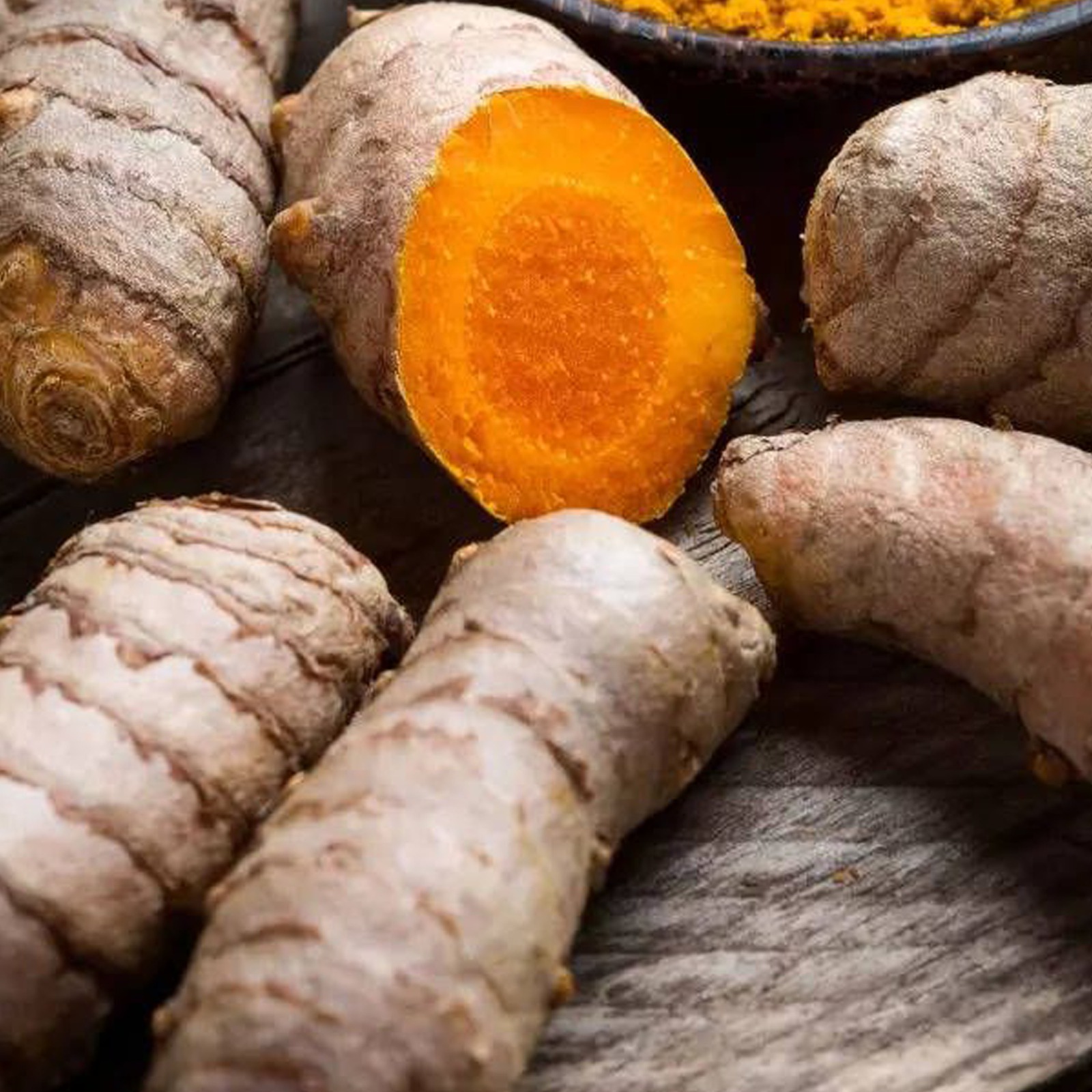
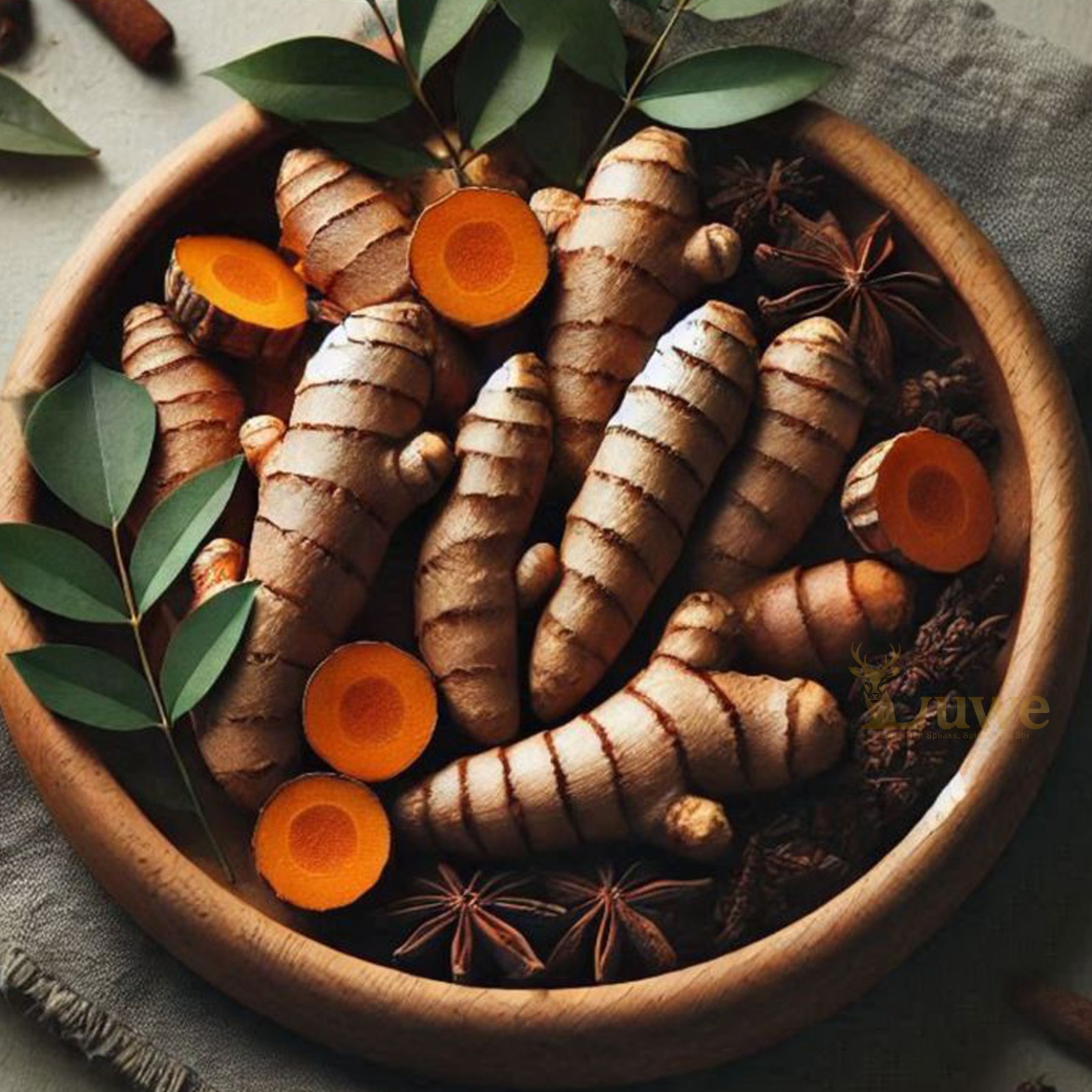
Turmeric's benefits stem from curcumin, its active compound, which offers potent anti-inflammatory and antioxidant effects, potentially improving symptoms of arthritis, depression, and hay fever, and benefiting conditions like liver disease and high triglycerides. While recognized for aiding digestion and boosting immunity, further research is needed for many other uses, such as for cancer or Alzheimer's. For optimal absorption, it's best to consume turmeric with healthy fats, though supplements should be discussed with a healthcare provider.
KEY PROPERTIES & BENEFITS
- Anti-inflammatory Properties: Curcumin is a strong anti-inflammatory, helping to reduce swelling and pain in conditions like osteoarthritis.
- Antioxidant Effects: It fights free radicals and oxidative stress, supporting overall cellular health.
- Improved Depression Symptoms: Research suggests curcumin can reduce depression symptoms, especially for people already using antidepressant medication.
- Aids in Arthritis: Studies show it can alleviate pain and improve function in people with knee osteoarthritis.
- Supports Brain Health: It may increase brain-derived neurotrophic factor (BDNF), which promotes new neuron growth and helps protect the brain from degenerative processes.
- Benefits Heart Health: Turmeric has been shown to lower blood fats (triglycerides) and may play a role in preventing heart disease.
- Improves Liver Function: It can reduce markers of liver injury and may prevent fat buildup in the liver for some conditions.
- Boosts Immunity: It helps maintain, protect, and strengthen the immune system.
HOW TO USE & CONSUME
- Supplements: Common doses suggest 500-1,000 milligrams of turmeric extract daily.
- With Food: For better absorption, take turmeric with healthy fats like oils, avocado, nuts, and seeds.
- Culinary Use: It's a common spice used to color and flavor foods.
IMPORTANT CONSIDERATIONS
- Consult a Healthcare Provider: Always speak with a doctor before starting any new supplement, especially turmeric.
- Absorption: Curcumin has poor water solubility and low bioavailability, so some new formulations aim to improve its absorption.
- Unproven Uses: While often cited for conditions like diabetes, Parkinson's, and Alzheimer's, there isn't strong scientific evidence to support these claims.
Turmeric's other names include Haldi (Hindi), Manjal (Tamil), Indian saffron, and Curcuma longa (its scientific name). It's also called halada and haridra, and is known for being a "yellow root" in many languages. The primary active component, curcumin, is sometimes also mistaken for the spice itself.
COMMON NAMES
- Haldi: A common term in North India.
- Manjal: Used in South India and ancient Tamil literature.
- Indian saffron: Another name, highlighting its golden color.
SCIENTIFIC AND TECHNICAL NAMES
- Curcuma longa: The scientific name for the turmeric plant.
- Curcumin: This refers to the active compound in turmeric, but is sometimes used loosely to mean the spice itself.
- Curcumae Longae Rhizoma: Another, more formal, name for turmeric.
OTHER CULTURAL NAMES
- Yellow root: A direct translation of "turmeric" in many languages, referring to its color.
- Halada & Haridra: Other names for turmeric, with Haridra being a Sanskrit word.
- Nisha: A Sanskrit name for turmeric, also meaning "night".